
How to Make Your Uniforms Last Longer: A Complete Guide
Uniforms are more than just clothing—they’re a badge of identity, a mark of professionalism, and often a significant investment. Whether you’re a parent preparing your child for school, a worker in a demanding trade like construction or hospitality, or an organization outfitting a team, keeping uniforms in top shape matters. A pristine uniform reflects pride and competence, while a shabby one can undermine your image. Yet, uniforms often wear out faster than we’d like, fraying at the seams or fading with use. The good news? With the right care, you can extend their life, save money, and maintain that polished look. This guide combines expert tips and practical strategies—from fabric basics to daily habits, washing tricks to shoe care—so you can keep your uniforms impeccable for years to come.
Understanding Your Uniform
Know Your Uniform Fabrics
Uniforms come in various materials, each with its own care needs. Cotton, a breathable and durable choice, is common in school and workwear; it typically thrives with cold water and mild detergent, though always check the care label. Polyester, prized for its shrink-resistance and shape retention, benefits from being turned inside out during washing to prevent pilling—use a gentle detergent and wash with like colors. Blends of these fabrics vary widely, so following the label or consulting a professional is key. Understanding your uniform’s fabric sets the foundation for proper care.
Why Pre-Washing Matters
Before your uniform sees its first day—be it at school or on the job—give it a wash. New clothing often carries chemicals from dyeing and wrinkle-free finishing processes, which can irritate skin, especially for children. Parents might love that pristine first-day photo, but pre-washing offers more than comfort: it removes excess fibers that lead to pilling or bobbling early on. This simple step can make your uniform last longer and feel better from the start.
Daily Maintenance Habits
Inspect and Store Properly
Regular Inspection
After each wear—whether a school day or a work shift—take a moment to inspect your uniform. Look for stains, tears, or signs of rough use like frayed edges. Catching these early prevents stains from setting or small tears from growing into big ones. Quick action keeps your uniform looking fresh and functional.
Hanging and Storage
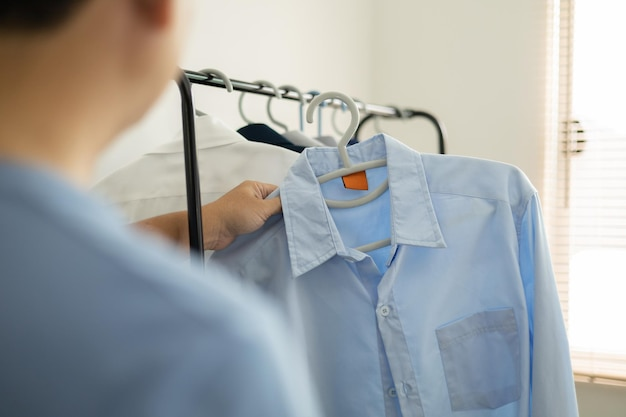
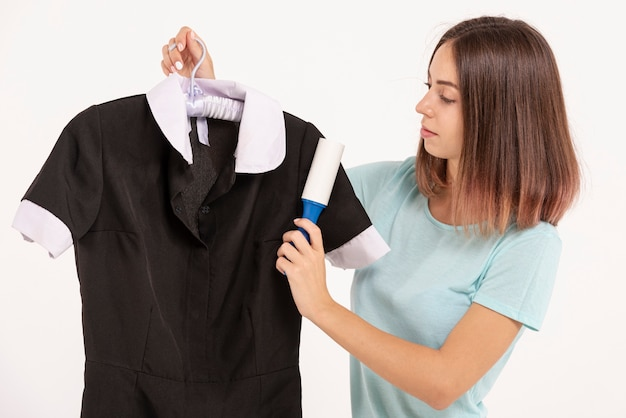
How you store your uniform matters. Hang it on a hanger to avoid wrinkles and help it keep its shape—don’t just toss it in a pile. For extra protection, especially if it’s not worn daily, slip it into a garment bag to shield it from dust and damage. Proper storage is a small habit with a big payoff.
Cleaning and Washing Techniques
Washing Your Uniforms
Prepare for Washing
Start by turning your uniform inside out to protect the outer surface. Fasten zippers and buttons to prevent snagging—check them too, ensuring they’re secure or noting if repairs are needed. Always read the care label for the manufacturer’s recommended temperature and settings; this is your roadmap to keeping the fabric intact.
Washing Tips
Use a mild or gentle detergent to preserve fibers—harsh chemicals can break them down. Wash at cooler temperatures (30°C is ideal for most uniforms) to save energy and avoid damage; hot water can fade colors and weaken fabrics. Skip the fabric softener—it adds a coating that softens clothes but can cause pilling, especially on well-worn uniforms, shortening their lifespan. Wash similar fabrics and colors together to prevent bleeding or wear.
Pre-Treating Stains
Stains happen, but quick action makes all the difference. Blot spills with a clean cloth to stop them from spreading. For cotton, try pre-treating with vinegar or a baking soda-water paste; for general stains, rub in dish soap and let it sit for up to 30 minutes before washing. Avoid harsh chemicals unless necessary, and always test any treatment on a hidden spot first to ensure it won’t harm the fabric.
Drying Your Uniforms
Air Drying
Air drying is the gentlest option. Hang uniforms outside (weather permitting) or on an indoor airer or rack to dry naturally—this prevents shrinkage and heat damage while saving energy. If drying outdoors, check the forecast to avoid wind tossing them away.
Machine Drying
If you must use a dryer, opt for the lowest heat setting and follow the care label to avoid shrinkage. Take uniforms out while still slightly damp—over-drying can weaken fibers and worsen wrinkles. Fold or hang them immediately to keep them smooth.
Ironing and Pressing
Keep Uniforms Crisp
Ironing Techniques
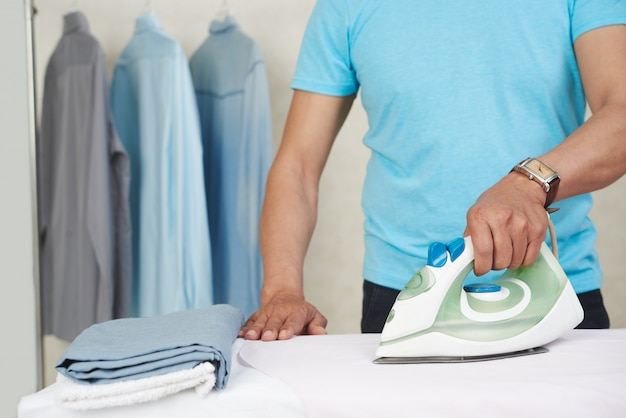
Ironing gives uniforms a sharp, professional look and helps them last longer by smoothing out wear-prone creases. Turn the uniform inside out, set the iron to the fabric’s recommended heat, and use steam to banish wrinkles. Move steadily, avoiding lingering too long in one spot to prevent burns or scorch marks. Once done, hang it up right away. If ironing feels risky, a fabric steamer is a safe alternative for wrinkle-free results.
Using a Pressing Cloth
For delicate fabrics, place a cotton or cotton-blend pressing cloth between the iron and the uniform. This barrier protects against heat damage, like scorch marks or texture changes, while still smoothing wrinkles. It’s a simple trick for trickier materials.
Steaming Alternative
A handheld steamer can refresh uniforms without direct heat, preserving fabric integrity while keeping them crisp. It’s perfect for those hesitant about irons or dealing with delicate blends.
Repairs and Stain Management
Fix Damage Early
Darning and Patching
Small holes or tears don’t mean a uniform’s end. Darn holes by threading a needle, tying a knot, and stitching in tight, concentric circles around the damage until covered. For tears, sew along each side, overlapping stitches in the middle, or cut a fabric patch and sew it over the area. All you need is a needle, thread, scissors, and an iron to press the repair. These quick fixes extend your uniform’s life, even for sewing novices.
Handle Stains and Spills
Stain Removal
Act fast—blot stains immediately to limit spread. For wool, spot-clean with soap and water; for other fabrics, use pre-treatments like dish soap or vinegar as noted earlier. Steer clear of strong chemicals unless tested, as they can harm fibers. Prompt care keeps stains from becoming permanent blemishes.
Special Care for Uniform Components
Caring for Delicate Uniforms
Silk, wool, or blended uniforms need extra TLC. Hand-wash them with special detergents or opt for professional dry cleaning to maintain their look and feel. These delicate pieces deserve careful handling to stay in top condition.
Maintaining Shoes and Accessories
Shoe Care
School or work shoes take a beating, so choose versatile, hard-wearing styles that suit both duty and play. Ensure a proper fit to avoid premature wear, protect leather with spray protectors, and clean off mud or grit regularly. Polish to keep leather supple, and replace laces as needed. If wet, stuff with crumpled paper and air dry—never use radiators or fires, which crack leather. Teach kids to remove shoes properly to preserve their shape.
Accessory Care
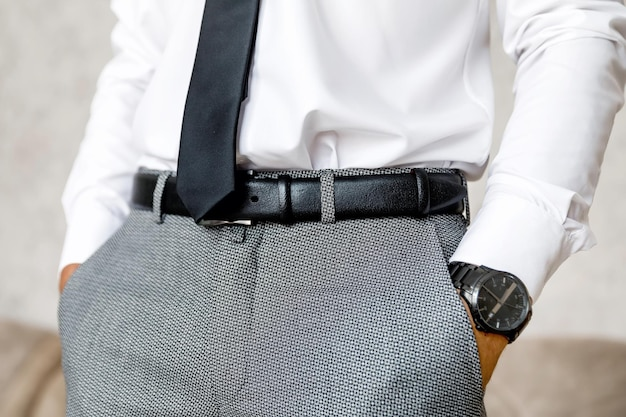
Belts and ties need attention too. Wipe leather or synthetic belts clean, and hand-wash or dry clean ties based on their care labels. These small efforts keep your full uniform sharp.
Family and Professional Involvement
Make It a Family Routine
Turn uniform care into a team effort. Get kids involved—polishing shoes or sorting laundry—on a set day like Sunday morning, making it a habit that clears the Sunday night rush. Offer pocket money rewards to motivate them. This not only preserves uniforms but teaches responsibility.
When to Seek Professional Help
For multiple uniforms, delicate fabrics, or intricate details (zippers, buckles), professional dry cleaning is a lifesaver. Cleaning Companies That Care use eco-friendly methods to handle tough jobs, saving you time and ensuring quality. It’s ideal when daily wear overwhelms home care.
Conclusion
From pre-washing new uniforms to mastering stain removal, air-drying, and even shining shoes, these strategies ensure your uniforms stay durable and polished. Seamstresses and tailors craft these garments with care, and your efforts keep their work alive—saving money, reducing waste, and projecting professionalism. Whether you’re a parent, a worker, or managing a team, these tips offer a complete toolkit. For top-quality uniforms built to last from the start, consider brands like Kutesmart in China, known for durable school, corporate, and hospitality wear. Put these ideas into action, and your uniforms will serve you well for years.
.png)







.png)
.png)
.png)